




Blog list
Takhar Eye Care Blog
Learn more about optometrist care in our blog!
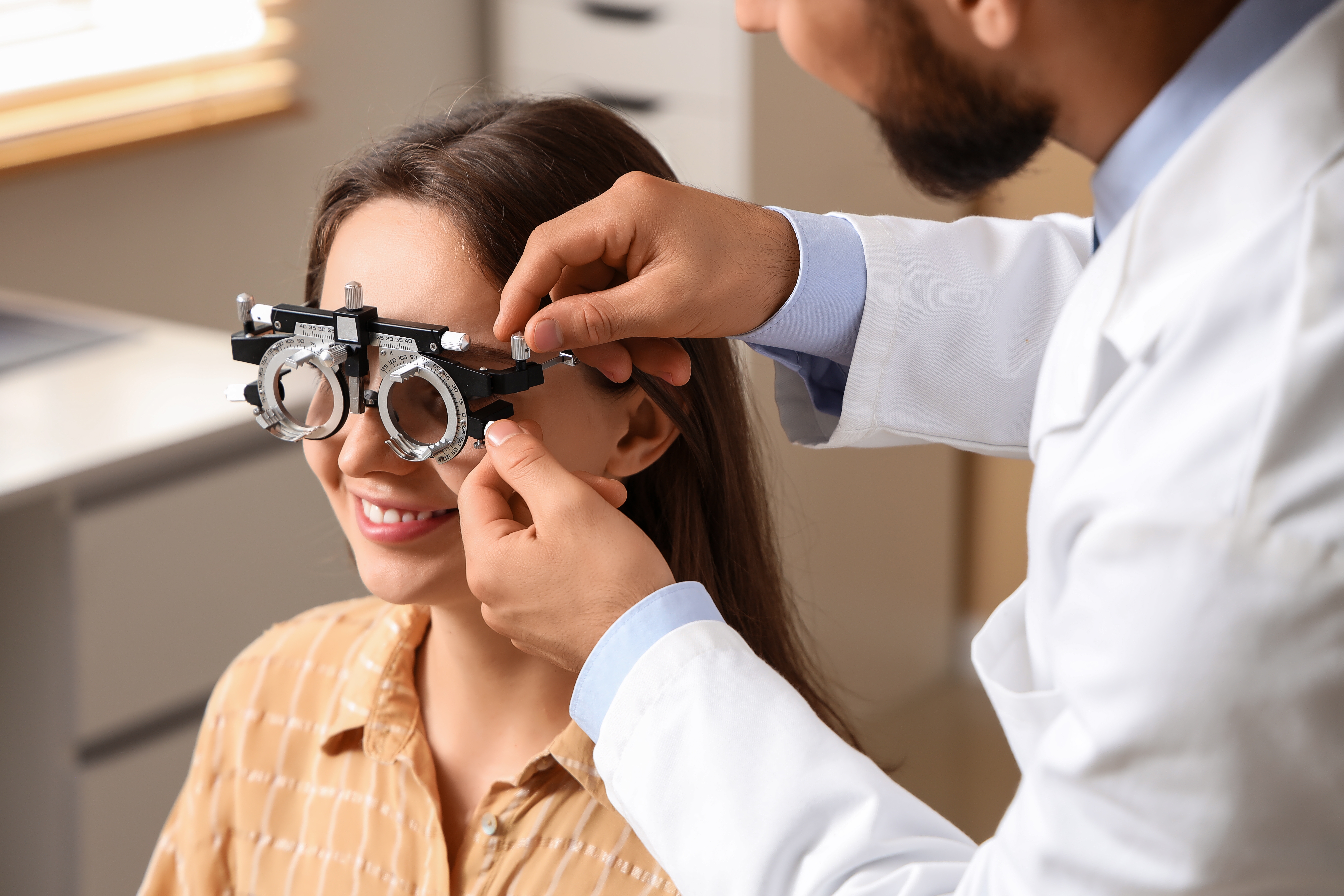
If you're due for an eye exam in Bakersfield and considering contact lenses, you may wonder whether a comprehensive eye exam and a contact lens exam are the same thing. Although both evaluate your vision, they serve different purposes. A comprehensive exam assesses your overall eye health and prescription needs. A contact lens exam adds the measurements and fitting process needed to wear contacts safely and comfortably. Understanding the difference can help you know what to expect.
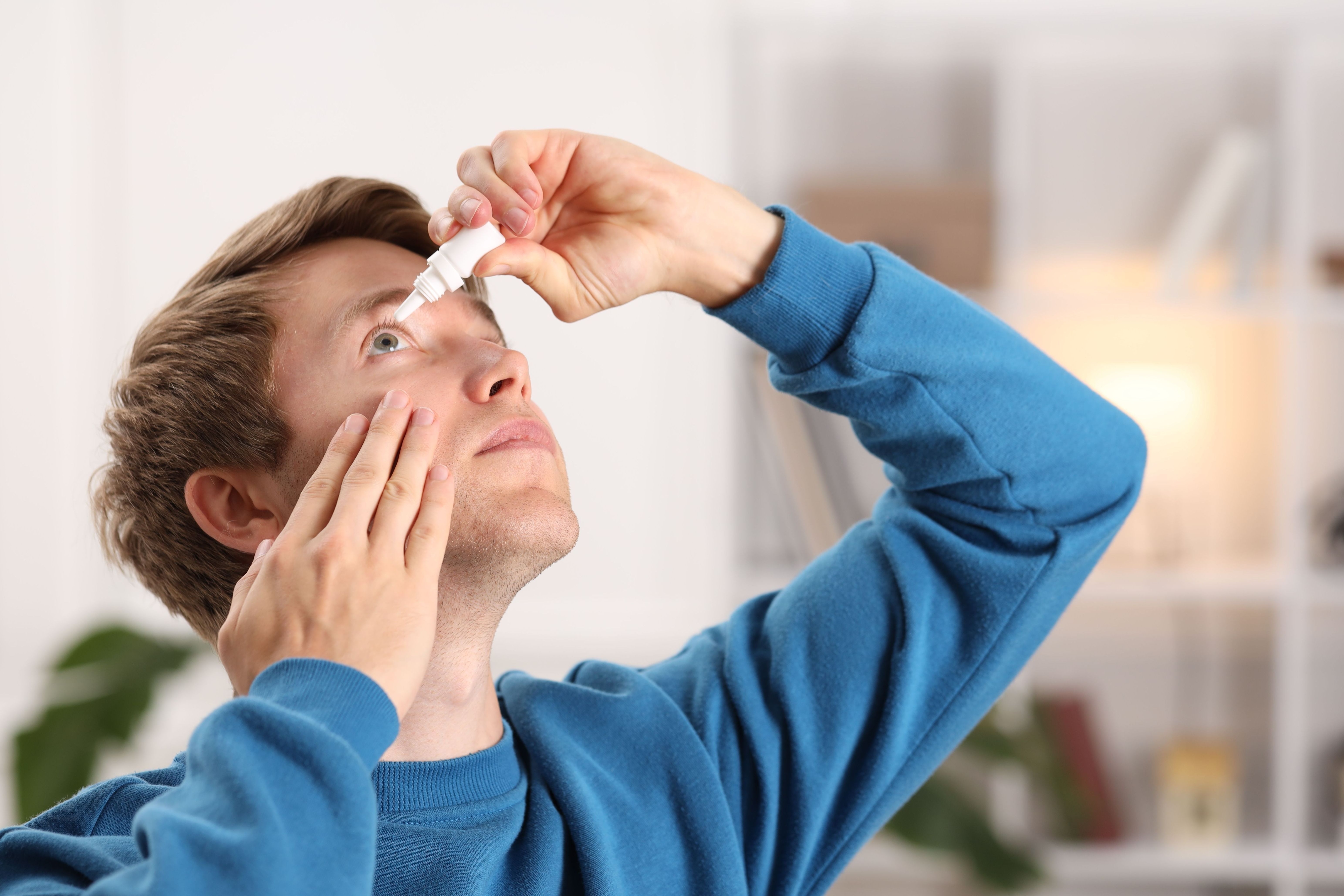
Summer in Bakersfield can be tough on the eyes. Between intense Valley heat, dry air, dust, wind, wildfire smoke concerns, and heavy air conditioning, severe dry eye symptoms can flare up right before vacation season. For many patients, this can mean burning, redness, watering, blurry vision, gritty eyes, and contact lens discomfort that makes travel and outdoor plans harder to enjoy.

Not all eye problems are emergencies, but some can be very serious. An eye emergency is any situation that could lead to vision loss if you do not seek immediate treatment. This includes cuts, scratches, something stuck in the eye, burns, chemical splashes, or being hit in the eye. Sudden changes in vision are also emergencies, even if there is no injury. If any of these happen, seek medical help right away.

With today’s screen-heavy lifestyles, many people experience tired, uncomfortable eyes at some point. Whether you’re working long hours on a computer, scrolling on your phone, or reading for extended periods, eye strain is common. However, not all eye discomfort is harmless. Some symptoms that feel like simple eye strain can actually signal a more serious vision or eye health problem.

For many adults, especially those over the age of 40, vision changes can make it harder to see clearly at all distances. Reading glasses, bifocals, and trifocals have long been the go-to solutions, but progressive lenses offer a modern and seamless alternative. If you’ve been considering them, here’s what you need to know about how progressive lenses work and whether they’re worth the investment.

Eye strain has become increasingly common in today’s digital world. Whether you spend hours in front of a computer, frequently use your phone, or do a lot of detailed work, tired, achy eyes are a familiar complaint.

Myopia is a vision condition that affects the ability to see distant objects clearly. While it’s often considered a minor inconvenience, myopia can have a significant impact on your daily life—from struggling to read signs while driving to experiencing eye strain at work or school. Understanding how myopia affects you and knowing your options for managing it can help you take control of your vision and maintain a better quality of life.

Few people think about their vision and eye health. But imagine you are slowly losing your vision, and you do not even know it until it is too late. That is the sneaky thing about glaucoma. It is a silent vision thief. It gradually steals your sight without ringing any alarms in its initial stages.

Cataracts are one of the most common causes of vision impairment, particularly among older adults. This condition occurs when the eye's natural lens becomes cloudy, causing blurred or diminished vision. While cataracts develop slowly, early detection can make a significant difference in treatment and prevention. Below are ten early signs of cataracts to watch for to ensure timely eye care.

In today's digital age, we are surrounded by screens. From smartphones and laptops to tablets and TVs, our eyes are constantly exposed to the blue light and glare emitted by these devices. This prolonged screen time has become a growing concern, as it can have significant impacts on our eye health, including the potential development of squinting.


MAP
Powered by: 